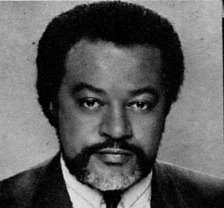
Several weeks ago, I posted a statement on my Facebook page concerning my personal displeasure regarding the Lyceum Theatre’s production of Scottsboro Boys currently playing on Broadway. In fact, after seeing the play, I felt compelled to conduct my own un-scientific straw poll among the nine members of the racially diverse group whom attended the play along with me. I was even emboldened to randomly poll the views of a half dozen males, all baby boomers, I was able to button hole beneath the Lyceum’s marquis eliciting their candid opinions of the play. Among both groups of theatergoers there were strong objections or feelings of uneasiness about employing minstrelsy with young black men in blackface as a vehicle to embellish such a serious historical issue. A white middle-aged male respondent suggested the show was on a slippery-slope, tantamount to some Jewish critiques toward a perceived aggrandizing of the Nazi parody employed in the play The Producers reference to Spring-Time for Hitler.
Apparently the Scottsboro Boys affair is a topic that after eighty years still evokes the ire of many African Americans and minorities. Despite a brilliant cast of young song and dance men all of whom deliver valiant high energy performances as they try engaging their audience, the historical and moral challenges posed by the productions’ script and artistic conceptualization saps the plays energy as the show struggles to balance it’s intended entertainment value with it's desired result of presenting a work of genuine redeeming social value.
The net result, a palpable uneasiness too intense for comfort levels among many unfamiliar with the Scottsboro Boys’ narrative; a sad saga of nine young men denied justice, wrongfully imprisoned for years, robbed of their youth after being falsely accused of raping two white women in the Jim Crow south. Their story ultimately changed the American system of jurisprudence and jury selection procedures. But one of the most egregious miscarriages of American justice represented by their youthful suffering remains a painful chapter for America and based upon growing reaction, particularly so within the African American community.
Showing posts with label education Fraterities black culture. Show all posts
Showing posts with label education Fraterities black culture. Show all posts
Monday, November 22, 2010


Friday, November 19, 2010
A Simple Photo for Not So Simple Times
A Simple Photo For Not So Simple Times
By Dennis Day
As time goes by I treasure this photo more and more, taken circa 1966, at Fisk University -- an incubator of the modern Civil Rights Movement. When I see my Kappa fraternity brethren, many of whom are now successful doctors, lawyers, entrepreneurs, and architects -- and some of whom have made their transition all too soon – I am reminded of words to an old hymn. The song intones that “time is filled with swift transitions.” More importantly, I recognize the value of Historically Black Colleges and Universities (HBCUs) and the pivotal leadership role they play.
In 1960 a Fisk alum, John Lewis -- who is a Kappa and presently serves in the US Congress representing Georgia’s 5th Congressional District -- seized the momentum along with other HBCU students and organized students on campuses at North Carolina A&T and Shaw universities to form the Student Nonviolent Coordinating Committee (SNCC).
On its bucolic campus, Fisk’s student activism, like that at other elite HBCUs, fueled and sustained highly effective SNCC chapters in the South. SNCC students from Fisk and other HBCUs led peaceful demonstrations, sit-ins, and freedom marches, tearing down Jim Crow walls to end segregation and pushing for equal opportunities by peacefully demanding constitutional rights that are now taken for granted in American life.
One year prior to this photo, on March 9, 1965, SNCC Chairman John Lewis and Reverend Hosea Williams led more than 600 marchers in a historic march across the Edmund Pettus Bridge in Selma, Alabama on what came to be known as “Bloody Sunday.” TV images of vicious attack dogs and police brutality wielded against the marchers infuriated millions globally, subsequently intensifying America's political resolve to end segregation through passage of the Civil Rights Act of 1968.
On November 18 this year, Congressman John Lewis received the nation’s highest civilian honor, the Presidential Medal of Freedom, for his crucial role in helping create a more perfect union. This award represented the fulfillment of hopes and aspirations of many HBCU alumni over many decades.
As students, my generation of HBCU graduates were on the cutting edge of history, helping steer our nation toward an era of historic change for a better world. I guess that’s why this photograph takes on special personal meaning for me and why we, the men of Kappa Alpha Psi Fraternity, framed in the emblem of our iconic Kappa diamond, appear to be so filled with pride!
By Dennis Day
As time goes by I treasure this photo more and more, taken circa 1966, at Fisk University -- an incubator of the modern Civil Rights Movement. When I see my Kappa fraternity brethren, many of whom are now successful doctors, lawyers, entrepreneurs, and architects -- and some of whom have made their transition all too soon – I am reminded of words to an old hymn. The song intones that “time is filled with swift transitions.” More importantly, I recognize the value of Historically Black Colleges and Universities (HBCUs) and the pivotal leadership role they play.
In 1960 a Fisk alum, John Lewis -- who is a Kappa and presently serves in the US Congress representing Georgia’s 5th Congressional District -- seized the momentum along with other HBCU students and organized students on campuses at North Carolina A&T and Shaw universities to form the Student Nonviolent Coordinating Committee (SNCC).
On its bucolic campus, Fisk’s student activism, like that at other elite HBCUs, fueled and sustained highly effective SNCC chapters in the South. SNCC students from Fisk and other HBCUs led peaceful demonstrations, sit-ins, and freedom marches, tearing down Jim Crow walls to end segregation and pushing for equal opportunities by peacefully demanding constitutional rights that are now taken for granted in American life.
One year prior to this photo, on March 9, 1965, SNCC Chairman John Lewis and Reverend Hosea Williams led more than 600 marchers in a historic march across the Edmund Pettus Bridge in Selma, Alabama on what came to be known as “Bloody Sunday.” TV images of vicious attack dogs and police brutality wielded against the marchers infuriated millions globally, subsequently intensifying America's political resolve to end segregation through passage of the Civil Rights Act of 1968.
On November 18 this year, Congressman John Lewis received the nation’s highest civilian honor, the Presidential Medal of Freedom, for his crucial role in helping create a more perfect union. This award represented the fulfillment of hopes and aspirations of many HBCU alumni over many decades.
As students, my generation of HBCU graduates were on the cutting edge of history, helping steer our nation toward an era of historic change for a better world. I guess that’s why this photograph takes on special personal meaning for me and why we, the men of Kappa Alpha Psi Fraternity, framed in the emblem of our iconic Kappa diamond, appear to be so filled with pride!
Subscribe to:
Posts (Atom)