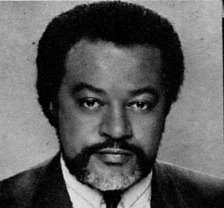
This You Tube video clip offers a broader context of Rev.Wright's post 911 sermon than that being shown on Fox TV and other networks that created a firestorm of controversy. Excerpts from other Wright sermons are also being aired out of context. For my commentary,please see my blog post, April 4, Television, Race and Obama .
Tuesday, April 8, 2008


Friday, April 4, 2008
TELEVISION, RACE, AND OBAMA
As the nation commemorates the fortieth anniversary of Dr. King’s death on April 4 and the publication of the landmark Kerner Commission Report on race in America, several questions must be raised. How effective is mass media in breaching the racial divide in America? Is today’s American television journalism part of the problem or part of the solution for bridging America’s racial divide?
In this YouTube age, have mainstream media outlets gone too far in relying on user-generated content – images and sound bites that virtually anyone with a digital camera can post, selectively edit, and manipulate? What is the obligation of editorial staffs within large media conglomerates? Should not media submissions require the same rigorous journalistic standards as traditional print journalism, ensuring that news is reported fairly and accurately to the public?
A blatant example of television’s editorial abuses involved Reverend Jeremiah Wright’s controversial remarks, edited from several sermons preached at Trinity United Church of Christ in Chicago, posted on You Tube, and broadcast ad infinitum on virtually every major television network and cable outlet without benefit of their full context. The networks’ selective editorial use of the Wright clips raises serious concerns regarding television’s responsibility to the viewer.
Ultimately any opportunity for meaningful public discourse is suppressed when television executives neglect to exercise sound editorial standards. By refusing to print or broadcast Wright’s full sermons, relevant material was in fact censored, denying viewers opportunity to form intelligent opinions or engage in further inquiry to become better informed on the merits of the issues presented as fact. Instead, viewers are positioned to internalize the networks’ preferred narrative spin, which often corresponds to the larger political views held by their corporate executives and is far from fair and balanced reporting.
Such reporting must be called out for what it is – propaganda disguised as news. Despite the fact that a story’s broader context is often needed for accurate reporting with journalistic integrity, the increasing frequency with which use of raw private video content is now seen as news prompts further ethical concerns. There is a growing trend for mass media to use video snippets, cloaked as hard news but designed to shape public opinion, as the basis for today’s fast-breaking news stories.
There is a place for eye-witness digital accounts of natural disasters, accidents, or crime scenes shot by ordinary citizens, but in a high-stakes national political contest the presentation of excerpted statements broadcast out of context from their larger complex narratives can be too easily manipulated or exploited for political advantage. Wright’s most controversial statements were aired repeatedly, seeping deep into America’s collective conscience long enough to seriously taint Obama’s post-racial credentials and plummeting his standing in national polls.
Instead of taking the high road, the unspoken conservative media subtext played out as this headline by default: “Birds of a Feather: Trinity Church’s Black Militant Chicago Pastor and His Most Famous Spiritual Disciple, Presidential Candidate Barack Obama Damn Nation.” Wright’s rhetorical flourishes when critiqued out of context can easily be interpreted as unpatriotic and blasphemous. However, the prophetic preaching tradition compels a prospective convert to experience the gospel message in its totality, with all of its nuance, tone, cadence, and body language, mediated by the listener’s predisposition to discern spiritual and biblical truth spoken to power.
Openness to the gospel narrative does not make African American church goers gullible sycophants, incapable of distinguishing good from evil or the sacred from the profane. Christians are challenged to distinguish between human government and God’s kingdom. Such preaching is part of a rich linguistic endowment innate to black oral tradition. Although the term Black Liberation Theology was eventually mentioned to describe Wright’s teachings at the Trinity United Church of Christ, on-air discussions did little to inform viewers about the beliefs and theological tenets of this theology.
Wounded politically, Barack Obama boldly tackled the issue of race head-on in an intimate, authoritative speech on March 18 offered balance, historical perspective, and keen insight into one of the nation’s most intractable problems. Obama took the initiative to push us toward a national dialogue that the mainstream media has been hesitant to engage.
The Wright controversy provided a rare window of opportunity for media and journalists to provide a much-needed analysis and historical perspective for understanding the racial divide – a chance to lead toward solutions. Yet the media in this instance as in too many others, chose to provide too little information too late and thus remains part of the problem.
In this YouTube age, have mainstream media outlets gone too far in relying on user-generated content – images and sound bites that virtually anyone with a digital camera can post, selectively edit, and manipulate? What is the obligation of editorial staffs within large media conglomerates? Should not media submissions require the same rigorous journalistic standards as traditional print journalism, ensuring that news is reported fairly and accurately to the public?
A blatant example of television’s editorial abuses involved Reverend Jeremiah Wright’s controversial remarks, edited from several sermons preached at Trinity United Church of Christ in Chicago, posted on You Tube, and broadcast ad infinitum on virtually every major television network and cable outlet without benefit of their full context. The networks’ selective editorial use of the Wright clips raises serious concerns regarding television’s responsibility to the viewer.
Ultimately any opportunity for meaningful public discourse is suppressed when television executives neglect to exercise sound editorial standards. By refusing to print or broadcast Wright’s full sermons, relevant material was in fact censored, denying viewers opportunity to form intelligent opinions or engage in further inquiry to become better informed on the merits of the issues presented as fact. Instead, viewers are positioned to internalize the networks’ preferred narrative spin, which often corresponds to the larger political views held by their corporate executives and is far from fair and balanced reporting.
Such reporting must be called out for what it is – propaganda disguised as news. Despite the fact that a story’s broader context is often needed for accurate reporting with journalistic integrity, the increasing frequency with which use of raw private video content is now seen as news prompts further ethical concerns. There is a growing trend for mass media to use video snippets, cloaked as hard news but designed to shape public opinion, as the basis for today’s fast-breaking news stories.
There is a place for eye-witness digital accounts of natural disasters, accidents, or crime scenes shot by ordinary citizens, but in a high-stakes national political contest the presentation of excerpted statements broadcast out of context from their larger complex narratives can be too easily manipulated or exploited for political advantage. Wright’s most controversial statements were aired repeatedly, seeping deep into America’s collective conscience long enough to seriously taint Obama’s post-racial credentials and plummeting his standing in national polls.
Instead of taking the high road, the unspoken conservative media subtext played out as this headline by default: “Birds of a Feather: Trinity Church’s Black Militant Chicago Pastor and His Most Famous Spiritual Disciple, Presidential Candidate Barack Obama Damn Nation.” Wright’s rhetorical flourishes when critiqued out of context can easily be interpreted as unpatriotic and blasphemous. However, the prophetic preaching tradition compels a prospective convert to experience the gospel message in its totality, with all of its nuance, tone, cadence, and body language, mediated by the listener’s predisposition to discern spiritual and biblical truth spoken to power.
Openness to the gospel narrative does not make African American church goers gullible sycophants, incapable of distinguishing good from evil or the sacred from the profane. Christians are challenged to distinguish between human government and God’s kingdom. Such preaching is part of a rich linguistic endowment innate to black oral tradition. Although the term Black Liberation Theology was eventually mentioned to describe Wright’s teachings at the Trinity United Church of Christ, on-air discussions did little to inform viewers about the beliefs and theological tenets of this theology.
Wounded politically, Barack Obama boldly tackled the issue of race head-on in an intimate, authoritative speech on March 18 offered balance, historical perspective, and keen insight into one of the nation’s most intractable problems. Obama took the initiative to push us toward a national dialogue that the mainstream media has been hesitant to engage.
The Wright controversy provided a rare window of opportunity for media and journalists to provide a much-needed analysis and historical perspective for understanding the racial divide – a chance to lead toward solutions. Yet the media in this instance as in too many others, chose to provide too little information too late and thus remains part of the problem.
Sunday, March 2, 2008
The Obama Drama in New York City -- A Black Swan Phenom
This year’s historic quest by a woman and an African American to become president of the United States has largely managed to avoid fanning the flames of xenophobia, racism, and gender bias. That is, at least until the race tightened after Super Tuesday February 5 when Obama’s surge in momentum led to 11 concurrent primary victories. While Hillary Clinton won the California primary, she narrowly staved off Obama’s formidable challenge on her home turf in New York State, to the great surprise of those who assumed she was by far the most electable and held a comfortable lead. Obama’s showing sparked a political firestorm that ruptures the old Democratic vanguard’s narrative – that Clinton’s experience and presumed lead would easily trump Obama’s mantra for change.
Before Super Tuesday most New York Black Democratic leaders had assumed that the former first lady’s position would be firm as the presumptive Democratic nominee – that Iowa had been an electoral fluke, that Senator Obama’s proverbial goose would be cooked, and that politics as usual would prevail in a refurbished Clintonian era with the same old players. Few post-Civil-Rights era politicians could have imagined that the juggernaut of inevitability that energized the Clinton political machine could be so dramatically slowed by an army of grass-roots devotees armed with laptops and i-phones, political neophytes, cyber wonks, socially progressive Democrats, moderate Republicans, and Independents committed to change.
Are we as a nation on the verge of a radical new political transformation that could nullify distinctions of race and gender in the political arena in what some have called a post-racial America? Or is Obama mania an aberration, a black swan?
In his Amazon 2007 best seller, Black Swan, Nassim Nicholas Taleb offers the black swan as a metaphor for a highly improbable event with three principal characteristics: 1) It is unpredictable; 2) it carries a massive impact; and 3) after the fact we concoct an explanation that makes the event appear less random and more predictable than it was. For example, the astonishing success of Google was a black swan; so was 9/11. Taleb writes, “The profundity of black swans is that they change the way people look at the world. Black swans underlie almost everything about the world from the rise of religions to current events.”
The emergence of Senator Barack Obama as the Democratic front runner seems to place him among that rare breed – a black swan, a phenomenon that key Black Democratic party leaders and elected officials in New York failed to see coming. Could New York State’s Black political leadership be trapped in a time warp, unable to heed the tenor of the times? Are they neglecting to adhere to the will of their constituents? By continuing to follow a conventional political course, keen on personal loyalty, party discipline, and consensus around their leadership’s chosen candidate, a preponderance of New York City Democrats elected to public office have been unwavering in their support for the junior Senator from New York.
Held together by ties to Harlem, common political interests, and career aspirations –and with the hope of redeeming old favors – some are still tethered to the Clinton Dynasty of the nineties. But Obama’s unforeseen black-swan impact could well begin to gnaw away at old loyalties.
The tactic of characterizing Obama as inexperienced and unelectable has actually had the countervailing effect of spewing a debilitating message of cynicism, low expectations, and defeat that has been soundly rejected by a new generation of voters who see Obama as the embodiment of hope. By disparaging Barack Obama as a “hope mongerer, long on vision but short on experience,” New York’s democratic leaders have tried to “flip the script” on Obama’s hope narrative by rendering his message of hope and change as fanciful, magical, pie in the sky thinking.
If Obama does win the nomination, Democratic Party leadership in New York City will surely rally around him as its nominee. But it will be difficult for these influential Democrats to offer credible voices as his surrogates, now entrusted with touting his consistent message of hope and change against Senator McCain’s strong suit of experience, particularly after having excoriated Obama for being, in their estimation, woefully inexperienced.
Political accommodation is the grist of a politician’s life. But could it be that some Black Democratic political leaders in New York are blinded by their longstanding proximity and allegiance to the Clinton legacy – so much so that they have seriously miscalculated the public will and risk being on the wrong side of history? In Georgia, African American Civil Rights icon and staunch Clinton loyalist John Lewis (D), in a play out of Machaciavelli’s handbook, switched his support to Obama after Obama’s solid victory in Lewis’s district. This ensured Obama an important superdelegate and assured voters that their Congressman is in fact willing to vote the will of his constituents in the event of a brokered convention in Denver. It could well be that other key Congressional leaders presumed to be loyal Clinton supporters may feel pressure to jump the “good ship Billary” in favor of Senator Obama because they fear voter backlash in future elections.
Such political calculations become more probable if Obama wins either the Texas or Ohio primary on March 4, and if that prompts Clinton to press toward a brokered convention in Denver. From that point forward the superdelegate issue becomes littered with political mine fields unless incumbent political leaders feel compelled to capitulate to their constituents’ preference as reflected in their electoral district.
In New York, support of the powerful Chairman of the House Ways and Means Committee and Senior House Democrat, Congressman Charles B. Rangel, had to have been pivotal in Senator Clinton’s decision to seek the highest office in the land. Assurance became crucial that her home turf was "locked up." And Congressman Rangel, as the dean of New York's Democratic House delegation and a dominant figure in the politics of Harlem for four decades, was expected to help deliver the urban vote on behalf of Clinton.
But that vote was not so easily delivered. Senator Obama ran a tighter than expected race in Clinton’s home state. In Harlem, according to John Nichols in an article penned for The Nation, the race was “close enough to create a 3-3 delegate split in Congressman Rangel’s 15th Congressional District, according to unofficial results from the New York Democratic primary vote tallies.” While the popular vote was narrowly in Clinton’s favor, her win was clear enough that there would be no pressure on Rangel to vote the will of a congressional district that backed Obama.
Nichols further observes that “with such a tight race, what New Yorkers should be asking for, however, is a complete review of the results in New York City, with a heavy focus not just on the 80 election districts, where according to a recent New York Times article Obama supposedly received no votes, but also on those where it appears that his vote was far below the level of support that he received in surrounding districts.”
Could there be another several thousand votes for Obama in the 15th Congressional District and in other under-counted districts, where the official vote has not been publicly reported? The primary results in New York City are only official when certified by the State and County Board of Elections and thus far there has been no disclosure of the official tabulation from some districts. Such delays do not bode well in the interest of free and democratic elections. The public has a right to transparency and to know how New Yorkers voted in the primary. To ensure urgent full disclosure of the vote count, our elected officials ought to be leading the charge demanding that the Board of Election conduct a recount in the interest of free and fair and elections.
The current political standoff and the larger questions of electoral accountability requires that New York’s Democratic leadership reexamine their relationships to past loyalties to an outdated albeit powerful political machine, to the interests of the voters who put them in office, and to the black-swan phenomenon of Barack Obama.
Before Super Tuesday most New York Black Democratic leaders had assumed that the former first lady’s position would be firm as the presumptive Democratic nominee – that Iowa had been an electoral fluke, that Senator Obama’s proverbial goose would be cooked, and that politics as usual would prevail in a refurbished Clintonian era with the same old players. Few post-Civil-Rights era politicians could have imagined that the juggernaut of inevitability that energized the Clinton political machine could be so dramatically slowed by an army of grass-roots devotees armed with laptops and i-phones, political neophytes, cyber wonks, socially progressive Democrats, moderate Republicans, and Independents committed to change.
Are we as a nation on the verge of a radical new political transformation that could nullify distinctions of race and gender in the political arena in what some have called a post-racial America? Or is Obama mania an aberration, a black swan?
In his Amazon 2007 best seller, Black Swan, Nassim Nicholas Taleb offers the black swan as a metaphor for a highly improbable event with three principal characteristics: 1) It is unpredictable; 2) it carries a massive impact; and 3) after the fact we concoct an explanation that makes the event appear less random and more predictable than it was. For example, the astonishing success of Google was a black swan; so was 9/11. Taleb writes, “The profundity of black swans is that they change the way people look at the world. Black swans underlie almost everything about the world from the rise of religions to current events.”
The emergence of Senator Barack Obama as the Democratic front runner seems to place him among that rare breed – a black swan, a phenomenon that key Black Democratic party leaders and elected officials in New York failed to see coming. Could New York State’s Black political leadership be trapped in a time warp, unable to heed the tenor of the times? Are they neglecting to adhere to the will of their constituents? By continuing to follow a conventional political course, keen on personal loyalty, party discipline, and consensus around their leadership’s chosen candidate, a preponderance of New York City Democrats elected to public office have been unwavering in their support for the junior Senator from New York.
Held together by ties to Harlem, common political interests, and career aspirations –and with the hope of redeeming old favors – some are still tethered to the Clinton Dynasty of the nineties. But Obama’s unforeseen black-swan impact could well begin to gnaw away at old loyalties.
The tactic of characterizing Obama as inexperienced and unelectable has actually had the countervailing effect of spewing a debilitating message of cynicism, low expectations, and defeat that has been soundly rejected by a new generation of voters who see Obama as the embodiment of hope. By disparaging Barack Obama as a “hope mongerer, long on vision but short on experience,” New York’s democratic leaders have tried to “flip the script” on Obama’s hope narrative by rendering his message of hope and change as fanciful, magical, pie in the sky thinking.
If Obama does win the nomination, Democratic Party leadership in New York City will surely rally around him as its nominee. But it will be difficult for these influential Democrats to offer credible voices as his surrogates, now entrusted with touting his consistent message of hope and change against Senator McCain’s strong suit of experience, particularly after having excoriated Obama for being, in their estimation, woefully inexperienced.
Political accommodation is the grist of a politician’s life. But could it be that some Black Democratic political leaders in New York are blinded by their longstanding proximity and allegiance to the Clinton legacy – so much so that they have seriously miscalculated the public will and risk being on the wrong side of history? In Georgia, African American Civil Rights icon and staunch Clinton loyalist John Lewis (D), in a play out of Machaciavelli’s handbook, switched his support to Obama after Obama’s solid victory in Lewis’s district. This ensured Obama an important superdelegate and assured voters that their Congressman is in fact willing to vote the will of his constituents in the event of a brokered convention in Denver. It could well be that other key Congressional leaders presumed to be loyal Clinton supporters may feel pressure to jump the “good ship Billary” in favor of Senator Obama because they fear voter backlash in future elections.
Such political calculations become more probable if Obama wins either the Texas or Ohio primary on March 4, and if that prompts Clinton to press toward a brokered convention in Denver. From that point forward the superdelegate issue becomes littered with political mine fields unless incumbent political leaders feel compelled to capitulate to their constituents’ preference as reflected in their electoral district.
In New York, support of the powerful Chairman of the House Ways and Means Committee and Senior House Democrat, Congressman Charles B. Rangel, had to have been pivotal in Senator Clinton’s decision to seek the highest office in the land. Assurance became crucial that her home turf was "locked up." And Congressman Rangel, as the dean of New York's Democratic House delegation and a dominant figure in the politics of Harlem for four decades, was expected to help deliver the urban vote on behalf of Clinton.
But that vote was not so easily delivered. Senator Obama ran a tighter than expected race in Clinton’s home state. In Harlem, according to John Nichols in an article penned for The Nation, the race was “close enough to create a 3-3 delegate split in Congressman Rangel’s 15th Congressional District, according to unofficial results from the New York Democratic primary vote tallies.” While the popular vote was narrowly in Clinton’s favor, her win was clear enough that there would be no pressure on Rangel to vote the will of a congressional district that backed Obama.
Nichols further observes that “with such a tight race, what New Yorkers should be asking for, however, is a complete review of the results in New York City, with a heavy focus not just on the 80 election districts, where according to a recent New York Times article Obama supposedly received no votes, but also on those where it appears that his vote was far below the level of support that he received in surrounding districts.”
Could there be another several thousand votes for Obama in the 15th Congressional District and in other under-counted districts, where the official vote has not been publicly reported? The primary results in New York City are only official when certified by the State and County Board of Elections and thus far there has been no disclosure of the official tabulation from some districts. Such delays do not bode well in the interest of free and democratic elections. The public has a right to transparency and to know how New Yorkers voted in the primary. To ensure urgent full disclosure of the vote count, our elected officials ought to be leading the charge demanding that the Board of Election conduct a recount in the interest of free and fair and elections.
The current political standoff and the larger questions of electoral accountability requires that New York’s Democratic leadership reexamine their relationships to past loyalties to an outdated albeit powerful political machine, to the interests of the voters who put them in office, and to the black-swan phenomenon of Barack Obama.
Monday, February 25, 2008
Whose Vote Counts in New York City?
Slowly, like volcanic lava, a wave of criticism has engulfed the recent February 5 Democratic Primary in New York City. The headline of a February 16 New York Times story in the paper’s local Metro section read: Unofficial Tallies In City Understated Obama’s Vote. The article reports that “a review by The New York Times of the unofficial results reported on primary night found about 80 election districts among the city’s 6,106 where Mr. Obama supposedly did not receive even one vote, including cases where he ran a respectable race in a nearby district.” Some of these districts were in Harlem and Brooklyn and are heavily populated by black and Hispanic voters.
Despite the pronouncements of Mayor Michael Bloomberg, who called the “undercount” an outrage and a euphemism for fraud, deeper investigative reporting by mainstream media has been lacking. The major local and national media outlets have curiously minimized the issue of whether there was systemic voter fraud in the New York City primary.
Mayor Bloomberg has characterized the Board of Elections (BOE) as “the last outright pure partisan patronage organization we have in this state and in this city” and called for major BOE reforms in recent months. Eleven days after the primary, city election officials announced that their formal review of the results would not be completed for weeks and called "major discrepancies" between the “unofficial” publicly reported vote totals and the actual tally on hundreds of voting machines citywide an “anomaly.” The NYC BOE regularly cites such “anomalies” in any vote count. This is part of the process; it is how the system is set up in New York City.
New York State Senator Bill Perkins (D) of Harlem, an early supporter of Barrack Obama, told the New York Post, “Every election has problems, but in this case, all the problems seem to have been his. He got all the zeros and undercounting.” Senator Perkins further noted that if the results were accurately represented, there would not have been “a false momentum for Hillary Rodham Clinton” – an obvious reference to the ensuing Clinton victory in California over Obama.
The 94th Election district in Harlem, one of those that initially reported no votes for Senator Obama, sits within the Congressional District of Charles B. Rangel, a staunch Clinton supporter. New York State Assemblyman Keith Wright (D), also a Clinton supporter, stated to the Times reporter that he believes there is an innocent explanation for the vote undercount, such as clerical error. He said that “being around politics for the last 25 years, I know that no candidate gets zero votes.” Another Harlem political activist, Dr. Lenora Fulani, a respected Independent, was quoted in an OPED.com article stating that “all of New York’s black members of Congress backed Hillary and helped produce her highest percentage of the black vote anywhere in the country.”
MSNBC’s exit poll data from New York’s statewide primary reports 61% of blacks and 37% of whites voted for Senator Obama. In contrast to these statewide results, in one Harlem district New York City’s unofficial primary-night returns suggested a 141 to 0 sweep by Senator Clinton. After review and corrections of the tabulations, by February 16 the vote in that same district was reported as 261 for Clinton and 136 for Obama. In an even more heavily black district in Brooklyn, where the vote on primary night was unofficially publically reported as 118 to 0 in favor of Mrs. Clinton. In the updated count, as reported February 16, she led 118 to 116.
So what transpired between election night’s unofficial vote count and the next updated count days later that shrank Senator Clinton’s margin of victory in the Harlem district and brought the count to within three votes of a victory for Obama in the Brooklyn district? What accounts for this disparity in reported votes?
Assemblyman Vito P. Lopez, Democratic chairman of the 53rd Assembly District in Brooklyn and a Clinton supporter, quoted in the New York Times article, stated, “We ran it the old fashioned way. Still, the 118 to 0 vote has to be a mistake.”
The current voting apparatus in New York City is in a shameful state of disarray. If voting machines purchased four decades ago are either incapable of accurate tallies or subject to repeated human or mechanical error, then alternate methods of voting procedures must be adopted. As registered voters living in Harlem, my wife and I were appalled to discover that initial election returns after polls closed reported that Obama had not received a single vote in a number of districts.
The Times article published a graphic that outlined the vote-counting process, which goes something like this:
1) Inspectors in 6,106 districts examine the machines and manually write their findings on a tally sheet.
2) The Inspector turns his or her sheet over to a police officer assigned to the polling place.
3) The police officer carries the sheet to the precinct where the officer enters the numbers into a computer.
4) The computer reports the results to the Associated Press, which disseminates them to the media.
5) New York City election officials gather in each borough at the locations where voting machines are stored.
6) Armed with a re-canvass worksheet on which someone from the Board of Elections has written unofficial results, a Republican and a Democrat go to each machine and write official tallies.
New York City’s vote-counting process seems equivalent to an electoral tag-team match – an archaic procedure, fraught with possibilities for human and mechanical error and discrepancy. The current procedure is tantamount to the old parlor game of “telephone” in which a message is passed along through a group and at its final utterance becomes totally distorted and confused.
This essay is not intended to impute any wrongdoing on the part of elected officials or New York City officials. There does, however, seem to be a lack of political will to solve the intractable problem of inoperable voting machines and arcane vote-counting procedures, neither of which serve the public interest. In an election that may be decided by razor-thin margins in the delegate count, every vote should be counted accurately. Election planners have the dual obligation of providing efficiency and transparency in Board of Election voter operations.
In its present form, New York City’s voting apparatus stands to threaten the integrity of our democratic and electoral process. With election workers relaying hand written vote tallies from inspector to police officer to the press for public dissemination, and later redeploying a second re-canvass by Board of Election Officials, including one Republican and one Democrat, it should come as no surprise that the process is riddled with mistakes, miscounts, and reporting delays. And now the mayor opines of possible voter fraud.
Apart from the New York Times article, few mainstream media have reported on this issue with any investigative depth. Even the New York Times report offered only vague references that did little to reveal the extent of the problem. For example, the reporter alluded to possible inaccuracies in the vote count for Senator Clinton as well as for Senator Obama, but no numbers were given. The Harlem-based Amsterdam News, which has endorsed Hillary Clinton, is typically a clear, perennial voice on matters of social justice and the political aspirations of black Americans, but it has remained silent on this issue.
Perhaps by November’s general election political leaders and city officials will have summoned the will to do the right thing and revamp the city’s archaic voter-count process. For the sake of democracy, let us all hope so.
Despite the pronouncements of Mayor Michael Bloomberg, who called the “undercount” an outrage and a euphemism for fraud, deeper investigative reporting by mainstream media has been lacking. The major local and national media outlets have curiously minimized the issue of whether there was systemic voter fraud in the New York City primary.
Mayor Bloomberg has characterized the Board of Elections (BOE) as “the last outright pure partisan patronage organization we have in this state and in this city” and called for major BOE reforms in recent months. Eleven days after the primary, city election officials announced that their formal review of the results would not be completed for weeks and called "major discrepancies" between the “unofficial” publicly reported vote totals and the actual tally on hundreds of voting machines citywide an “anomaly.” The NYC BOE regularly cites such “anomalies” in any vote count. This is part of the process; it is how the system is set up in New York City.
New York State Senator Bill Perkins (D) of Harlem, an early supporter of Barrack Obama, told the New York Post, “Every election has problems, but in this case, all the problems seem to have been his. He got all the zeros and undercounting.” Senator Perkins further noted that if the results were accurately represented, there would not have been “a false momentum for Hillary Rodham Clinton” – an obvious reference to the ensuing Clinton victory in California over Obama.
The 94th Election district in Harlem, one of those that initially reported no votes for Senator Obama, sits within the Congressional District of Charles B. Rangel, a staunch Clinton supporter. New York State Assemblyman Keith Wright (D), also a Clinton supporter, stated to the Times reporter that he believes there is an innocent explanation for the vote undercount, such as clerical error. He said that “being around politics for the last 25 years, I know that no candidate gets zero votes.” Another Harlem political activist, Dr. Lenora Fulani, a respected Independent, was quoted in an OPED.com article stating that “all of New York’s black members of Congress backed Hillary and helped produce her highest percentage of the black vote anywhere in the country.”
MSNBC’s exit poll data from New York’s statewide primary reports 61% of blacks and 37% of whites voted for Senator Obama. In contrast to these statewide results, in one Harlem district New York City’s unofficial primary-night returns suggested a 141 to 0 sweep by Senator Clinton. After review and corrections of the tabulations, by February 16 the vote in that same district was reported as 261 for Clinton and 136 for Obama. In an even more heavily black district in Brooklyn, where the vote on primary night was unofficially publically reported as 118 to 0 in favor of Mrs. Clinton. In the updated count, as reported February 16, she led 118 to 116.
So what transpired between election night’s unofficial vote count and the next updated count days later that shrank Senator Clinton’s margin of victory in the Harlem district and brought the count to within three votes of a victory for Obama in the Brooklyn district? What accounts for this disparity in reported votes?
Assemblyman Vito P. Lopez, Democratic chairman of the 53rd Assembly District in Brooklyn and a Clinton supporter, quoted in the New York Times article, stated, “We ran it the old fashioned way. Still, the 118 to 0 vote has to be a mistake.”
The current voting apparatus in New York City is in a shameful state of disarray. If voting machines purchased four decades ago are either incapable of accurate tallies or subject to repeated human or mechanical error, then alternate methods of voting procedures must be adopted. As registered voters living in Harlem, my wife and I were appalled to discover that initial election returns after polls closed reported that Obama had not received a single vote in a number of districts.
The Times article published a graphic that outlined the vote-counting process, which goes something like this:
1) Inspectors in 6,106 districts examine the machines and manually write their findings on a tally sheet.
2) The Inspector turns his or her sheet over to a police officer assigned to the polling place.
3) The police officer carries the sheet to the precinct where the officer enters the numbers into a computer.
4) The computer reports the results to the Associated Press, which disseminates them to the media.
5) New York City election officials gather in each borough at the locations where voting machines are stored.
6) Armed with a re-canvass worksheet on which someone from the Board of Elections has written unofficial results, a Republican and a Democrat go to each machine and write official tallies.
New York City’s vote-counting process seems equivalent to an electoral tag-team match – an archaic procedure, fraught with possibilities for human and mechanical error and discrepancy. The current procedure is tantamount to the old parlor game of “telephone” in which a message is passed along through a group and at its final utterance becomes totally distorted and confused.
This essay is not intended to impute any wrongdoing on the part of elected officials or New York City officials. There does, however, seem to be a lack of political will to solve the intractable problem of inoperable voting machines and arcane vote-counting procedures, neither of which serve the public interest. In an election that may be decided by razor-thin margins in the delegate count, every vote should be counted accurately. Election planners have the dual obligation of providing efficiency and transparency in Board of Election voter operations.
In its present form, New York City’s voting apparatus stands to threaten the integrity of our democratic and electoral process. With election workers relaying hand written vote tallies from inspector to police officer to the press for public dissemination, and later redeploying a second re-canvass by Board of Election Officials, including one Republican and one Democrat, it should come as no surprise that the process is riddled with mistakes, miscounts, and reporting delays. And now the mayor opines of possible voter fraud.
Apart from the New York Times article, few mainstream media have reported on this issue with any investigative depth. Even the New York Times report offered only vague references that did little to reveal the extent of the problem. For example, the reporter alluded to possible inaccuracies in the vote count for Senator Clinton as well as for Senator Obama, but no numbers were given. The Harlem-based Amsterdam News, which has endorsed Hillary Clinton, is typically a clear, perennial voice on matters of social justice and the political aspirations of black Americans, but it has remained silent on this issue.
Perhaps by November’s general election political leaders and city officials will have summoned the will to do the right thing and revamp the city’s archaic voter-count process. For the sake of democracy, let us all hope so.
Saturday, July 14, 2007
GUEST BLOGGER - Dr. Geneva Moore on Irene Day-Comer's music
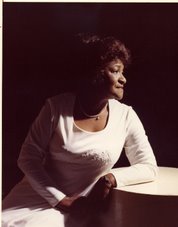
(Dr. Geneva Moore is Professor of English Literature, University of Wisconsin, Madison and a dear friend of mine. Here is her tribute to my mother, Irene Day-Comer, and her music. At the left you can click through to hear my mother's recording, Touch Somebody's Life.)
Irene Day: Touch Somebody’s Life (20th Anniversary Edition)
Sunday morning. Every mature African American who attended a Baptist church remembers the sweet, significant meaning of these descriptive words: Sunday morning. On the first day of the week in East Chicago, Indiana, the Antioch Baptist Church provided its members and visitors with a deeper understanding of their identity beyond the limited secular identity imposed upon them by the world.
The spirited goal of Sunday morning was accomplished primarily through the ministry of sermons and music, especially the music of Negro spirituals, invested as they are in a spiritual legacy borne out of the poignant depths of the ancestors’ creative suffering.
From Maya Angelou to Toni Morrison, a select number of African American writers have paid tribute to soloists who performed, in their melodious voices, the necessary Sunday morning ritual of transporting African Americans into a sacred sphere. In this blessed space that literally and figuratively transformed their lives beyond the racial challenges and the tedium of daily life, African American worshippers experienced a weekly rebirth.
At Antioch and at Zion Progressive Baptist Church the mission of restoring congregants to their rightful, dignified place in God’s creation was frequently given to Irene Day (later Irene Day-Comer). The experience of listening to her became a spiritual rite of passage for those of us who were growing up and privileged to hear her sing or give a concert performance. Whether at Sunday morning or evening services, or upon countless special events such as weddings, funerals, or any occasion celebrating the human experience, Irene Day-Comer’s rapturous voice infused spiritual uplift across several generations.
Irene Day-Comer has the unique ability to make her listeners feel that there are only three people in the sacred space of worship – the soloist, the listener, and God. In later years, her stirring renditions of sacred standards have drawn national acclaim. She not only accepts the musical responsibility of transforming lives within the local community, but she also embraces a broader commitment of witnessing to America through song. As a soloist with the Blakely Singers’ National Gospel Tour, in concerts, at political and union rallies, religious conventions, and even national sporting events, and now with her re-mastered 20th-Anniversary release of this CD, Mrs. Day-Comer continues her life’s mission of communicating God’s message through song.
The accolades for Mrs. Day-Comer’s talents span her 70 years as a soloist. Mrs. Day-Comer appeared on programs with the late, great Mahalia Jackson and the famed Barrett Sisters. She received the African Methodist Episcopal Church’s highest honor for contributions to humanity through the arts, and was selected to represent the International United Steelworkers as its ambassador of song, performing the National Anthem at the Las Vegas Hilton in the early 90’s.
As a young woman, Mrs. Day-Comer was offered opportunities to pursue other styles of music but politely declined, preferring sacred music. In recognition of her life-long contributions she has received other awards and acknowledgements, including the Black Expo Award and special recognition from the U.S. Congressional Black Caucus.
The original tape master of this recording, formerly entitled “He’s Everywhere,” was nearly destroyed as a result of 20 years of metallic erosion. Fortunately, the recording was restored through digital technology so that the music of Irene Day-Comer can now be archived in our audio libraries for future generations to enjoy. She can now touch and inspire the world with her great renditions of songs like “Precious Lord,” “Touch Somebody’s Life,” “God So Loved The World,” and “He’s Everywhere.”
Gifted with a rich, lyric soprano voice, a fully two-octave range, and perfect pitch, Irene Day-Comer’s delicate, sweet singing resonates with a personal faith tested by the vagaries of human experience. She conveys the universal message of God’s love as being everywhere and for everyone who seeks, drawing each listener into his or her own personal journey. She persuades us to experience the reality of God’s love as she sings freely and clearly in a combined language of heart, soul, mind, and spirit.
Anchored by the able accompaniment of pianist Marilyn Hairston, this re-mastered recording also features several renowned New York City-based musicians; J.D. Parren on winds, Bob Cunningham on contrabass, and Dr. Gregory Hopkins, tenor-pianist extraordinare. Fresh arrangements are produced and orchestrated by Mrs. Day-Comer’s son, Dennis Day, who also contributes background vocals and was inspired to re-release this recording after the events of September 11, 2001.
Perhaps the legendary Leslie Uggams best sums it up. After listening to this recording, she stated, “In the kind of world that we inhabit today, after September 11, we all need Irene Day-Comer’s music. She takes us back to church, and the songs are performed beautifully.”
Now future generations can enjoy Irene Day-Comer’s unique talent, just as so many have earlier been taken to places of a blessed charity, come Sunday morning, gently reminding us that we, too, can touch somebody’s life.
Irene Day: Touch Somebody’s Life (20th Anniversary Edition)
Sunday morning. Every mature African American who attended a Baptist church remembers the sweet, significant meaning of these descriptive words: Sunday morning. On the first day of the week in East Chicago, Indiana, the Antioch Baptist Church provided its members and visitors with a deeper understanding of their identity beyond the limited secular identity imposed upon them by the world.
The spirited goal of Sunday morning was accomplished primarily through the ministry of sermons and music, especially the music of Negro spirituals, invested as they are in a spiritual legacy borne out of the poignant depths of the ancestors’ creative suffering.
From Maya Angelou to Toni Morrison, a select number of African American writers have paid tribute to soloists who performed, in their melodious voices, the necessary Sunday morning ritual of transporting African Americans into a sacred sphere. In this blessed space that literally and figuratively transformed their lives beyond the racial challenges and the tedium of daily life, African American worshippers experienced a weekly rebirth.
At Antioch and at Zion Progressive Baptist Church the mission of restoring congregants to their rightful, dignified place in God’s creation was frequently given to Irene Day (later Irene Day-Comer). The experience of listening to her became a spiritual rite of passage for those of us who were growing up and privileged to hear her sing or give a concert performance. Whether at Sunday morning or evening services, or upon countless special events such as weddings, funerals, or any occasion celebrating the human experience, Irene Day-Comer’s rapturous voice infused spiritual uplift across several generations.
Irene Day-Comer has the unique ability to make her listeners feel that there are only three people in the sacred space of worship – the soloist, the listener, and God. In later years, her stirring renditions of sacred standards have drawn national acclaim. She not only accepts the musical responsibility of transforming lives within the local community, but she also embraces a broader commitment of witnessing to America through song. As a soloist with the Blakely Singers’ National Gospel Tour, in concerts, at political and union rallies, religious conventions, and even national sporting events, and now with her re-mastered 20th-Anniversary release of this CD, Mrs. Day-Comer continues her life’s mission of communicating God’s message through song.
The accolades for Mrs. Day-Comer’s talents span her 70 years as a soloist. Mrs. Day-Comer appeared on programs with the late, great Mahalia Jackson and the famed Barrett Sisters. She received the African Methodist Episcopal Church’s highest honor for contributions to humanity through the arts, and was selected to represent the International United Steelworkers as its ambassador of song, performing the National Anthem at the Las Vegas Hilton in the early 90’s.
As a young woman, Mrs. Day-Comer was offered opportunities to pursue other styles of music but politely declined, preferring sacred music. In recognition of her life-long contributions she has received other awards and acknowledgements, including the Black Expo Award and special recognition from the U.S. Congressional Black Caucus.
The original tape master of this recording, formerly entitled “He’s Everywhere,” was nearly destroyed as a result of 20 years of metallic erosion. Fortunately, the recording was restored through digital technology so that the music of Irene Day-Comer can now be archived in our audio libraries for future generations to enjoy. She can now touch and inspire the world with her great renditions of songs like “Precious Lord,” “Touch Somebody’s Life,” “God So Loved The World,” and “He’s Everywhere.”
Gifted with a rich, lyric soprano voice, a fully two-octave range, and perfect pitch, Irene Day-Comer’s delicate, sweet singing resonates with a personal faith tested by the vagaries of human experience. She conveys the universal message of God’s love as being everywhere and for everyone who seeks, drawing each listener into his or her own personal journey. She persuades us to experience the reality of God’s love as she sings freely and clearly in a combined language of heart, soul, mind, and spirit.
Anchored by the able accompaniment of pianist Marilyn Hairston, this re-mastered recording also features several renowned New York City-based musicians; J.D. Parren on winds, Bob Cunningham on contrabass, and Dr. Gregory Hopkins, tenor-pianist extraordinare. Fresh arrangements are produced and orchestrated by Mrs. Day-Comer’s son, Dennis Day, who also contributes background vocals and was inspired to re-release this recording after the events of September 11, 2001.
Perhaps the legendary Leslie Uggams best sums it up. After listening to this recording, she stated, “In the kind of world that we inhabit today, after September 11, we all need Irene Day-Comer’s music. She takes us back to church, and the songs are performed beautifully.”
Now future generations can enjoy Irene Day-Comer’s unique talent, just as so many have earlier been taken to places of a blessed charity, come Sunday morning, gently reminding us that we, too, can touch somebody’s life.
Friday, July 6, 2007
Remembering Pookie Hudson, an American Original
On Tuesday evening January 16 I received word that Thornton James "Pookie" Hudson had passed away after a valiant battle against thymus cancer. For music purists and fans of vocal harmony groups who resist allowing Doo Wop to be relegated to America’s cultural margins, the loss is meaningful and symbolizes the passing of a true American cultural icon.
In the 1950s and early 60s, urban youth from Pittsburgh to Paducah gathered under city streetlights on balmy summer evenings to harmonize amidst the neighborhood’s energetic bustle. For any of these groups, one signature song in particular began with the lowest voice booming out a version of the great Gerald Gregory’s quintessential bass line – five universally familiar notes, doht – doh – doht – doht – doht, followed by a lead tenor and chorus echoing the sweet refrain, “Good night, sweetheart, well it’s time to go…” To that early generation, those words signaled lights out…gig’s up…party’s over…mama says come on home. In every street-corner group, the lead singer mimicked one voice – the enormously popular performer known to legions of adoring fans, especially in the African American community, simply as Pookie.
James Pookie Hudson was among my early musical idols – a unique song stylist during the halcyon days of Rhythm and Blues. Aaron Neville, Al Jarreau, Smokey Robinson, and countless balladeers from the Doo-Wop era have affirmed Pookie's influence on their music. As lead singer of the legendary Spaniels, Pookie Hudson was peerless. During the 50s and 60s Pookie’s group routinely played to enthusiastic sold-out audiences at New York’s Apollo, Chicago’s Regal, Washington DC’s Howard, and other major concert halls in Baltimore, Detroit, Philadelphia, Los Angeles, and Europe. The Spaniels were among the earliest Rhythm and Blues vocal groups to appear on Dick Clark's popular nationally syndicated television show, American Bandstand.
In his intriguing biography, Good Night Sweetheart Good Night, renown journalist and social commentator Richard G. Carter chronicles the group’s emergence from the gritty blue-collar neighborhoods of Gary where they won the fabled Gary Roosevelt Talent Show, a forum which was to also prove pivotal for other Gary exports, including Avery Brooks, Denice Williams, and the Jackson Five. Many of these performers went on to become media darlings on radio and television with the aid of mega-labels like Motown’s potent promotions on a radio-friendly hit machine in the post-payola era, while Pookie and the Spaniels became victims of the payola system by their refusal to acquiesce to it, and therefore received far less national airplay than they merited. Nevertheless, Pookie’s silky tenor vibrato pervaded the era of male group leads on the segregated radio airwaves with recordings like “I Know,” “Stormy Weather,” and the chart buster "Good Night Sweetheart,” all perenniel favorites in America's urban centers, but recordings that never gained the tremendous commercial success that many critics today believe they deserved.
I first met Pookie when I was 16 years old. He and his business manager made a surprise visit to my home in East Chicago at the urging of my cousin, who was then his wife. Pookie listened to my high school quartet and, at our prodding, he graciously rendered a stirring, Gospel-tinged acappella version of “Peace of Mind” in our living room. With his face nestled against the wall, Pookie’s rich tenor vibrato, clear as a bell, echoed throughout the room, shimmering and soaring effortlessly with an emotional quality that spoke soul to soul. That day he gave me a prized copy of his latest release, a lushly arranged pop/spiritual ballad with a moral called “Meek Man,” recorded on the fledgling Philadelphia-based Neptune label. Sadly, that record made a meager showing commercially but it remains among my favorites of Pookie’s songs.
Over the years I talked to Pookie by telephone occasionally when he was in California, Gary, or the District of Columbia, where he maintained loyal fan bases. I made a point to take in his Oldies and Doo-Wop performances in the New York City area. I attended the triumphant comeback appearance of Pookie Hudson and the Spaniels at a Rhythm and Blues Revival Show at the Apollo in August 1991 where, after a 30-year hiatus, Pookie’s acapella rendition of “Danny Boy” led to the evening’s only encore performance. Pookie became a mainstay to millions of “old schoolers,” as he was seen frequently on PBS telethon fundraisers, which have discovered the lucrative baby boomer-plus market. Those shows often ended with Pookie’s “Good Night, Sweetheart” as a finale.
Pookie is on record as stating that part of the reason the Spaniels were not played as much on radio stations along the North Eastern corridor’s cities as on radio stations in other areas of the country is that he refused to allow a certain powerful on-air radio Czar and popular disc jockey of the era to sign on as co-publisher of songs he had written, a common but unlawful practice during the payola period of the 1950s. Pookie had many struggles over the years but he refused to fall prey to the economic enslavement that engulfed so many talented Black artist/writers who never saw a dime in royalties in spite of so called sweetheart deals. Such a compromise would ensure that the coauthor/publisher disc jockey would be entitled to a percentage of the songwriter’s royalties in perpetuity. In later years Pookie did pursue a lawsuit against the producers of the blockbuster movie “Three Men and a Baby,” starring Tom Seleck, in which Pookie’s song “Good Night Sweetheart” was illegally featured, constituting copyright infringement. The song was covered by a number of groups, including the popular McGuire Sisters in 1954 whose rendition achieved gold-record status, the highest accolade of the day. The song was covered by a number of groups, including the popular McGuire Sisters in 1954 whose rendition achieved gold-record status, the highest accolade of the day. It was later recorded on the soundtracks of other movies, including “American Graffiti,” and on television, including in a Dodge commercial.Yet it was not until the 1990’s that Pookie began receiving royalties for his song.
I last saw Pookie perform at the Queens Borough Community College on October 21, 2005 in a show billed as a tribute to Pookie. He said he felt good, and that the prostate cancer he had so courageously battled for several years was in remission. In a truly star-studded lineup that included the Teenagers, Johnny Maestro and the Brooklyn Bridge, the Orioles, the Harp Tones, the Flamingoes, the Chantels, Speedo and the Cadillacs, Earl Lewis and the Channels, and other great groups, Pookie and the Spaniels closed the show. The house that night, as it had so many times before, belonged to Pookie Hudson and the Spaniels.
Pookie will be sorely missed by friends, fans, and loved ones but, thank God, his songs will live on forever. Now finally, Pookie, the “Peace of Mind” about which you so movingly sang is yours, and neither you nor your timeless, beautiful songs shall be forgotten.
In the 1950s and early 60s, urban youth from Pittsburgh to Paducah gathered under city streetlights on balmy summer evenings to harmonize amidst the neighborhood’s energetic bustle. For any of these groups, one signature song in particular began with the lowest voice booming out a version of the great Gerald Gregory’s quintessential bass line – five universally familiar notes, doht – doh – doht – doht – doht, followed by a lead tenor and chorus echoing the sweet refrain, “Good night, sweetheart, well it’s time to go…” To that early generation, those words signaled lights out…gig’s up…party’s over…mama says come on home. In every street-corner group, the lead singer mimicked one voice – the enormously popular performer known to legions of adoring fans, especially in the African American community, simply as Pookie.
James Pookie Hudson was among my early musical idols – a unique song stylist during the halcyon days of Rhythm and Blues. Aaron Neville, Al Jarreau, Smokey Robinson, and countless balladeers from the Doo-Wop era have affirmed Pookie's influence on their music. As lead singer of the legendary Spaniels, Pookie Hudson was peerless. During the 50s and 60s Pookie’s group routinely played to enthusiastic sold-out audiences at New York’s Apollo, Chicago’s Regal, Washington DC’s Howard, and other major concert halls in Baltimore, Detroit, Philadelphia, Los Angeles, and Europe. The Spaniels were among the earliest Rhythm and Blues vocal groups to appear on Dick Clark's popular nationally syndicated television show, American Bandstand.
In his intriguing biography, Good Night Sweetheart Good Night, renown journalist and social commentator Richard G. Carter chronicles the group’s emergence from the gritty blue-collar neighborhoods of Gary where they won the fabled Gary Roosevelt Talent Show, a forum which was to also prove pivotal for other Gary exports, including Avery Brooks, Denice Williams, and the Jackson Five. Many of these performers went on to become media darlings on radio and television with the aid of mega-labels like Motown’s potent promotions on a radio-friendly hit machine in the post-payola era, while Pookie and the Spaniels became victims of the payola system by their refusal to acquiesce to it, and therefore received far less national airplay than they merited. Nevertheless, Pookie’s silky tenor vibrato pervaded the era of male group leads on the segregated radio airwaves with recordings like “I Know,” “Stormy Weather,” and the chart buster "Good Night Sweetheart,” all perenniel favorites in America's urban centers, but recordings that never gained the tremendous commercial success that many critics today believe they deserved.
I first met Pookie when I was 16 years old. He and his business manager made a surprise visit to my home in East Chicago at the urging of my cousin, who was then his wife. Pookie listened to my high school quartet and, at our prodding, he graciously rendered a stirring, Gospel-tinged acappella version of “Peace of Mind” in our living room. With his face nestled against the wall, Pookie’s rich tenor vibrato, clear as a bell, echoed throughout the room, shimmering and soaring effortlessly with an emotional quality that spoke soul to soul. That day he gave me a prized copy of his latest release, a lushly arranged pop/spiritual ballad with a moral called “Meek Man,” recorded on the fledgling Philadelphia-based Neptune label. Sadly, that record made a meager showing commercially but it remains among my favorites of Pookie’s songs.
Over the years I talked to Pookie by telephone occasionally when he was in California, Gary, or the District of Columbia, where he maintained loyal fan bases. I made a point to take in his Oldies and Doo-Wop performances in the New York City area. I attended the triumphant comeback appearance of Pookie Hudson and the Spaniels at a Rhythm and Blues Revival Show at the Apollo in August 1991 where, after a 30-year hiatus, Pookie’s acapella rendition of “Danny Boy” led to the evening’s only encore performance. Pookie became a mainstay to millions of “old schoolers,” as he was seen frequently on PBS telethon fundraisers, which have discovered the lucrative baby boomer-plus market. Those shows often ended with Pookie’s “Good Night, Sweetheart” as a finale.
Pookie is on record as stating that part of the reason the Spaniels were not played as much on radio stations along the North Eastern corridor’s cities as on radio stations in other areas of the country is that he refused to allow a certain powerful on-air radio Czar and popular disc jockey of the era to sign on as co-publisher of songs he had written, a common but unlawful practice during the payola period of the 1950s. Pookie had many struggles over the years but he refused to fall prey to the economic enslavement that engulfed so many talented Black artist/writers who never saw a dime in royalties in spite of so called sweetheart deals. Such a compromise would ensure that the coauthor/publisher disc jockey would be entitled to a percentage of the songwriter’s royalties in perpetuity. In later years Pookie did pursue a lawsuit against the producers of the blockbuster movie “Three Men and a Baby,” starring Tom Seleck, in which Pookie’s song “Good Night Sweetheart” was illegally featured, constituting copyright infringement. The song was covered by a number of groups, including the popular McGuire Sisters in 1954 whose rendition achieved gold-record status, the highest accolade of the day. The song was covered by a number of groups, including the popular McGuire Sisters in 1954 whose rendition achieved gold-record status, the highest accolade of the day. It was later recorded on the soundtracks of other movies, including “American Graffiti,” and on television, including in a Dodge commercial.Yet it was not until the 1990’s that Pookie began receiving royalties for his song.
I last saw Pookie perform at the Queens Borough Community College on October 21, 2005 in a show billed as a tribute to Pookie. He said he felt good, and that the prostate cancer he had so courageously battled for several years was in remission. In a truly star-studded lineup that included the Teenagers, Johnny Maestro and the Brooklyn Bridge, the Orioles, the Harp Tones, the Flamingoes, the Chantels, Speedo and the Cadillacs, Earl Lewis and the Channels, and other great groups, Pookie and the Spaniels closed the show. The house that night, as it had so many times before, belonged to Pookie Hudson and the Spaniels.
Pookie will be sorely missed by friends, fans, and loved ones but, thank God, his songs will live on forever. Now finally, Pookie, the “Peace of Mind” about which you so movingly sang is yours, and neither you nor your timeless, beautiful songs shall be forgotten.
Tuesday, July 3, 2007
Congratulations 2007 JazzMobile Vocal Contest Winner
The Jazz Mobile Anheuser Busch Vocal competition, now in its fourth year crowned Alexis Cole as this year's winner.
The sultry alto was judged the best of twelve finalists competing for first place in the annual vocal competition that showcases some of the finest jazz artists on today's scene.Second place honors went to Bonzella Lewis, a charismatic singer/actress and veteran of Broadway's The Wiz and Bubbl'ng Brown Sugar.
Ms. Cole demonstrated a jazz sensibility and style that won over a stellar lineup of judges that included Dr. Billly Taylor, founder of JazzMobile, Thelonious Monk Jr., and Grammy award winning drummer/vocalist Grady Tate.
In addition to the pride that comes with being honored by one's peers, the winner received a $1000 cash prize. Second place honoree Ms. Lewis received a cash prize of $500. As for yours truly, I received dinner for two for having drawn the greatest number of fans and supporters. It's great to be crowned the Best df the Best Jazz Vocalist 2007. And this year's recipients are most deserved. Hey, but it ain't too shabby to be shown a little love now and then either. So hugs, kisses, and my heartfelt thank you to my family, friends, and fans who showed up at the beautiful Alhambra Ballroom to support me during the contest. So I'll continue to sing for my supper these days. Just remember, let nothing or no one steal your song.
The sultry alto was judged the best of twelve finalists competing for first place in the annual vocal competition that showcases some of the finest jazz artists on today's scene.Second place honors went to Bonzella Lewis, a charismatic singer/actress and veteran of Broadway's The Wiz and Bubbl'ng Brown Sugar.
Ms. Cole demonstrated a jazz sensibility and style that won over a stellar lineup of judges that included Dr. Billly Taylor, founder of JazzMobile, Thelonious Monk Jr., and Grammy award winning drummer/vocalist Grady Tate.
In addition to the pride that comes with being honored by one's peers, the winner received a $1000 cash prize. Second place honoree Ms. Lewis received a cash prize of $500. As for yours truly, I received dinner for two for having drawn the greatest number of fans and supporters. It's great to be crowned the Best df the Best Jazz Vocalist 2007. And this year's recipients are most deserved. Hey, but it ain't too shabby to be shown a little love now and then either. So hugs, kisses, and my heartfelt thank you to my family, friends, and fans who showed up at the beautiful Alhambra Ballroom to support me during the contest. So I'll continue to sing for my supper these days. Just remember, let nothing or no one steal your song.
Subscribe to:
Posts (Atom)